
Dedicated to pushing innovation in splitboarding since 2006.
866.725.2085
Email: sales@sparkrandd.com
Spark R&D
P.O. Box 3284, Bozeman, MT 59772 USA
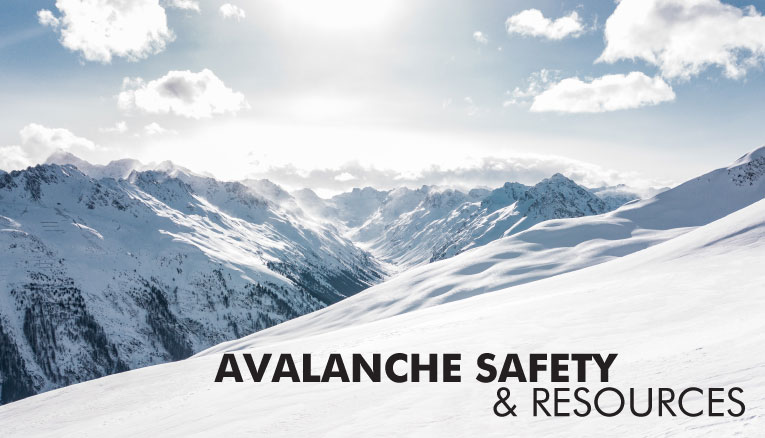
Avalanche safety and education are essential when stepping into the backcountry. With so many resources and organizations out there, it can feel overwhelming to know where to start. This page is meant to serve as a resource and a steppingstone for those getting started or looking for a quick review.
Please note that nothing on this page should be used as a substitute for taking a proper avalanche education course.
Avalanche education is not meant to be a one-time check list. It is a continuous, lifelong commitment to learning and staying sharp. Always check your local avalanche forecast before heading into the mountains, and don't forget to support your local avalanche center, they are your first line of defense every time you step out the door.
Step 1: Get the Gear
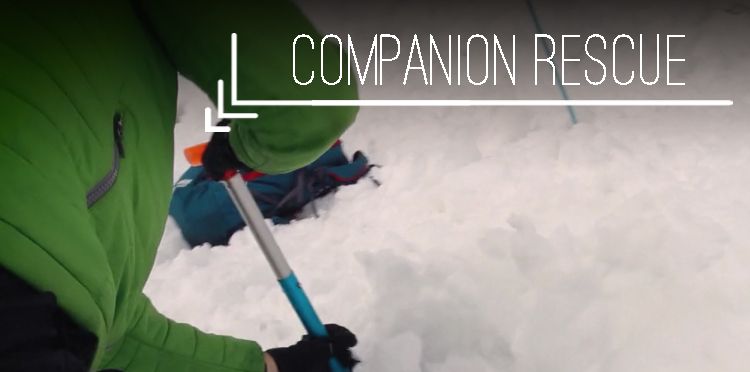
- Always carry a transceiver, probe, and shovel in the backcountry to help you find a buried partner and be found
- Always carry your gear on your body with your transceiver turned on
- Consider riding with an inflatable pack to increase your chances of staying on top of an avalanche
- Practice with your gear regularly. Seconds count and your gear only works when you can use it confidently and efficiently in bad conditions
- Carry the gear and supplies you need to survive an injury or a long evacuation in winter conditions
- Be able to communicate with your partners and rescuers
- Remember that your gear helps you have a safer and more fun day - it does not guarantee your safety
Step 2: Get the Training
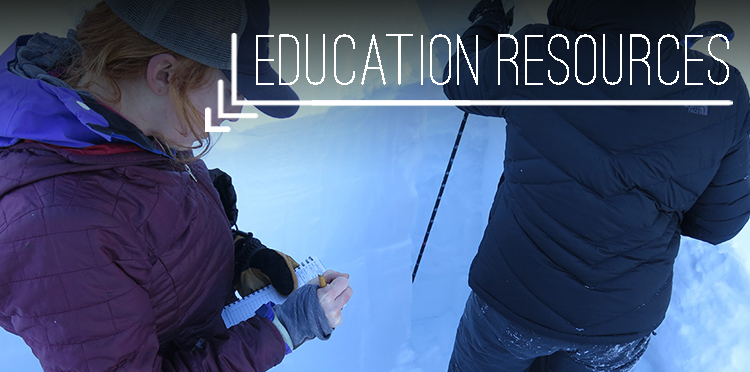
- Take an avalanche class and learn the basics of:
- Different kinds of avalanches and how they occur
- How terrain choices and changing weather impact your safety
- How to travel in avalanche terrain to minimize your risk
- How to make smart decisions as a group
- How to rescue one or more buried people
- How your actions can impact the safety of other groups
- Learn how to provide first aid to an injured member of your party
- Keep your skills current
- Read
- Study accident reports
- Take refresher classes
Step 4: Get the Picture
- Be aware of hazardous or changing conditions
- Recent avalanche activity
- Changing wind, snowfall, and temperature
- Cracking or collapsing snow
- Recent wind deposited snow
- Does what you see on the ground match the forecast?
- Conditions can change quickly and forecasts are not guarantees - re-assess as you go
- Use test slopes
- Low consequence
- Representative aspect and elevation
- Interactions with other groups - be aware of
- Groups above you
- Groups below you
- Roads & buildings below you
- Control work nearby
- Never intentionally trigger an avalanche unless you are sure the area below is clear
- Group dynamics
- Is anyone outside their comfort zone?
- Is the group discussing options and concerns?
- Identify safer and more hazardous terrain and minimize your exposure

 Recent Avalanches
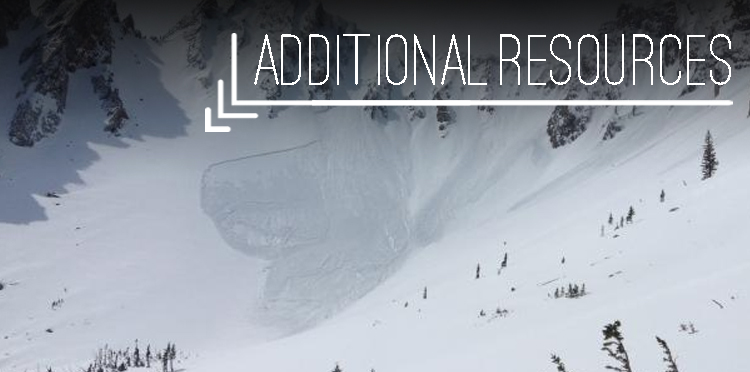
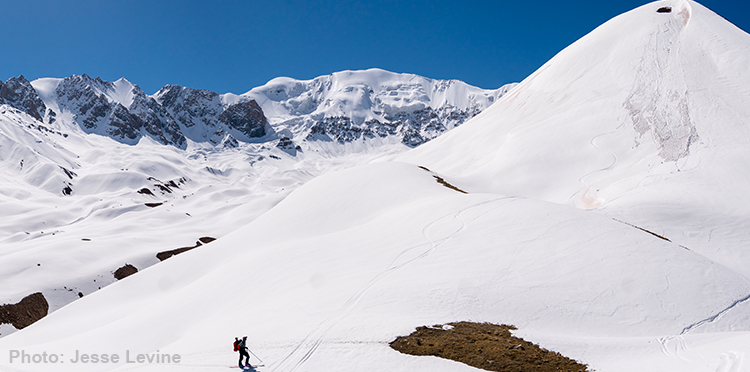
Observing natural avalanches (non-human triggered) in the backcountry is an immediate sign of slope instability. Extreme caution should be taken if there are signs of recent avalanche activity on slopes with a similar aspect or elevation that you are looking to ride.
New Snow
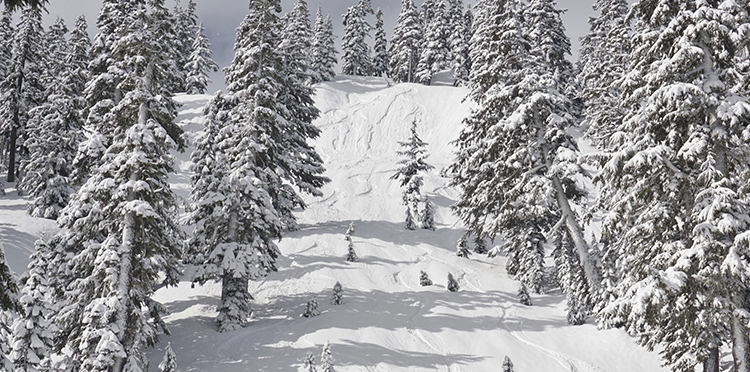
90% of avalanches happen within 24 hours of a storm cycle. It is very difficult to predict how a newly formed slab will react to a trigger. An extremely conservative approach should be taken during and immediately following a storm.
 Collapsing or Cracking in the Snowpack
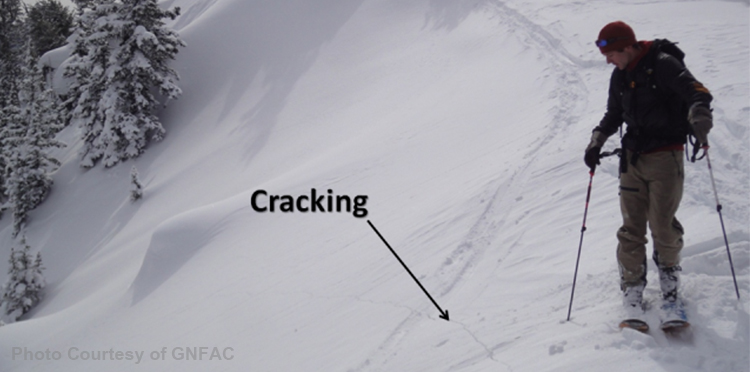
When a layer in a slab collapses it can create a whomfing noise - this is the air compressing out of a weak layer. From the National Avalanche Center, "This is the sound of nature screaming in your ear that the snowpack is very unstable". Cracks are sometimes seen shooting through the snow away from a skin track or the path you are making while riding down a slope. This is another sign of unstable snow.
Rapid Temperature Rise
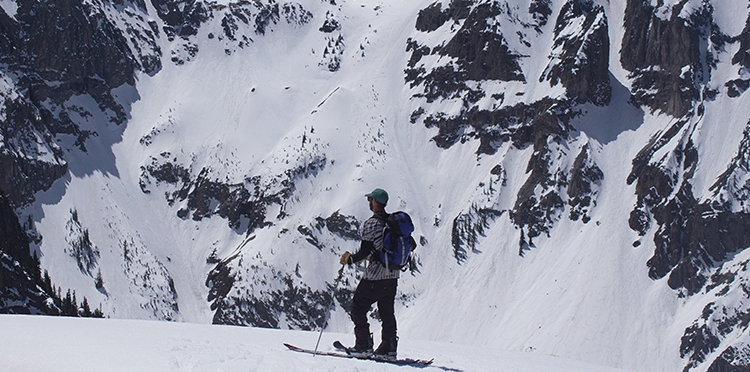
Anytime there is a rapid change in temperature the snowpack can become unstable. This is a more frequent occurrence during the spring, but can happen anytime during the winter.
5. Strong Winds, Blowing and Drifting Snow
Snow is easily transported by the wind and when it is deposited it can form wind slabs. These slabs add weight to a snowpack and can make it easier to cause a weak layer in the snow to fail. Pay close attention to wind direction, especially where it is coming off of ridges.