
- GEAR
- SPARE PARTS
- Backcountry Kit
- Pro Backcountry Kit
- Binding Hardware Kit
- Pro Binding Hardware Kit
- LT Bracket
- Snap Block
- ST Bracket
- T1 Heel Rest
- Ankle Buckle
- Toe Buckle
- Ankle Ladder
- Toe Ladder
- Ankle Adjuster
- Toe Adjuster
- Vert Pucks
- Stainless Steel Pin
- Mini Puck Alignment Guide
- Puck Alignment Guide
- Spark Skin Trimmer
- BINDING TECH
- FAQs
- DEALERS
- TEAM RIDERS
- CONNECT
- ABOUT US
- CONTACT US

Dedicated to pushing innovation in splitboarding since 2006.
866.725.2085
Email: sales@sparkrandd.com
Spark R&D
P.O. Box 3284, Bozeman, MT 59772 USA
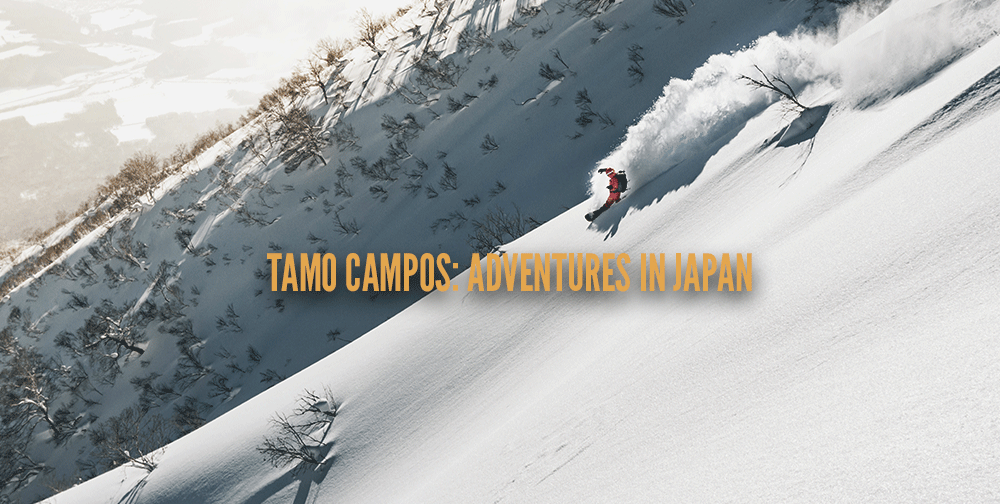
Tamo Campos: Adventures in Japan
An Interview with Tamo Campos about his trip to Japan early in the winter of 2020.

Last winter you made your way to Japan. Can you talk about how that project came about and who you were working with?
Japan was a trip I’d wanted to do with my sister since we were little. It’s a part of our heritage. My mother's side is from Japan and emigrated to Canada in the 1890s and early 1900s. We decided to bike-pack across the lands of our ancestors. Before she arrived in Japan, I linked up with two friends Chelsea Jolly and Colin Arisman to get a few splitboard missions in and work on a short documentary for CBC (Canadian Broadcast Company) about family roots, snowboarding, and activism.
Where did you and your team head once you arrived in Japan?
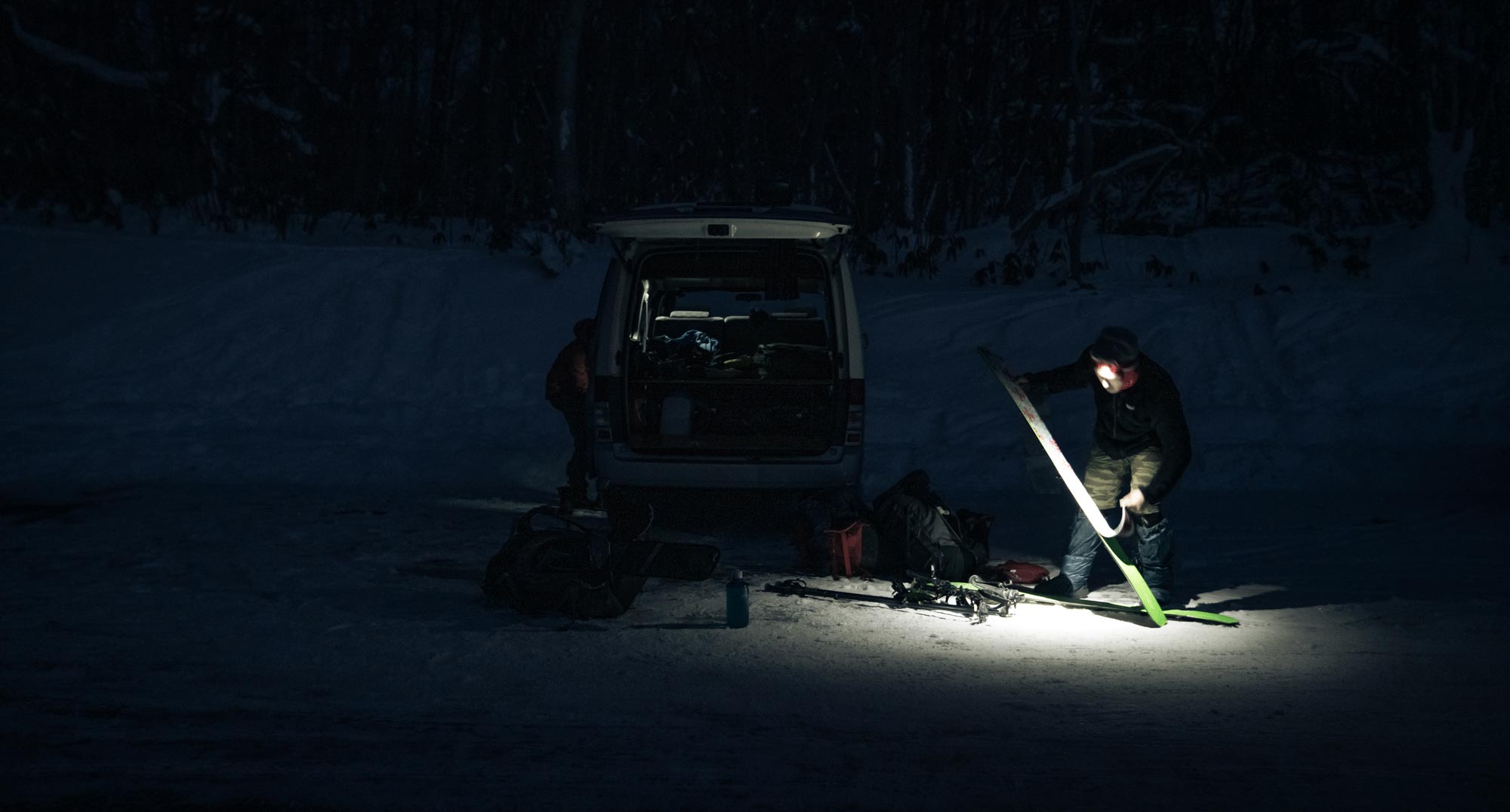
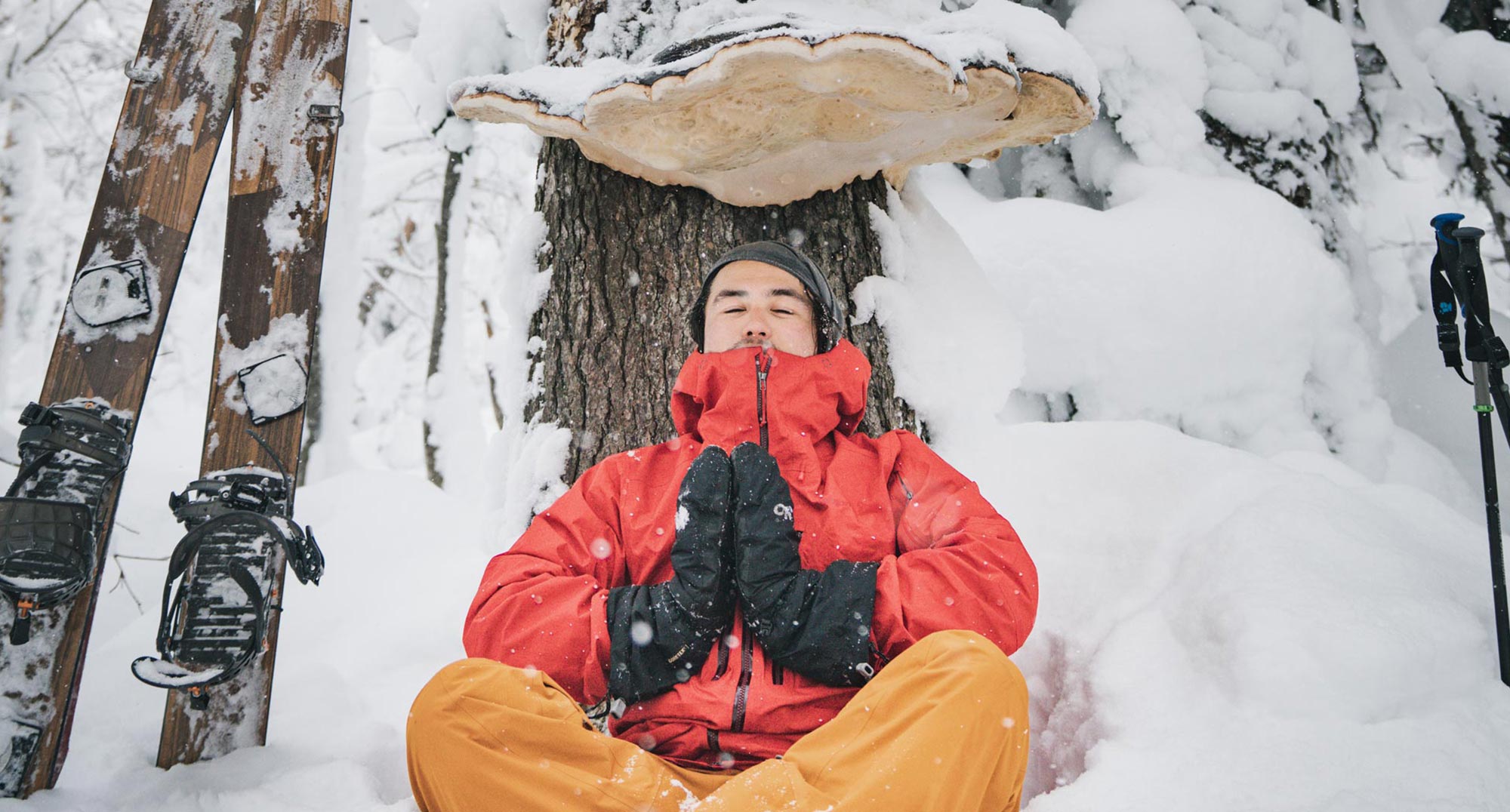
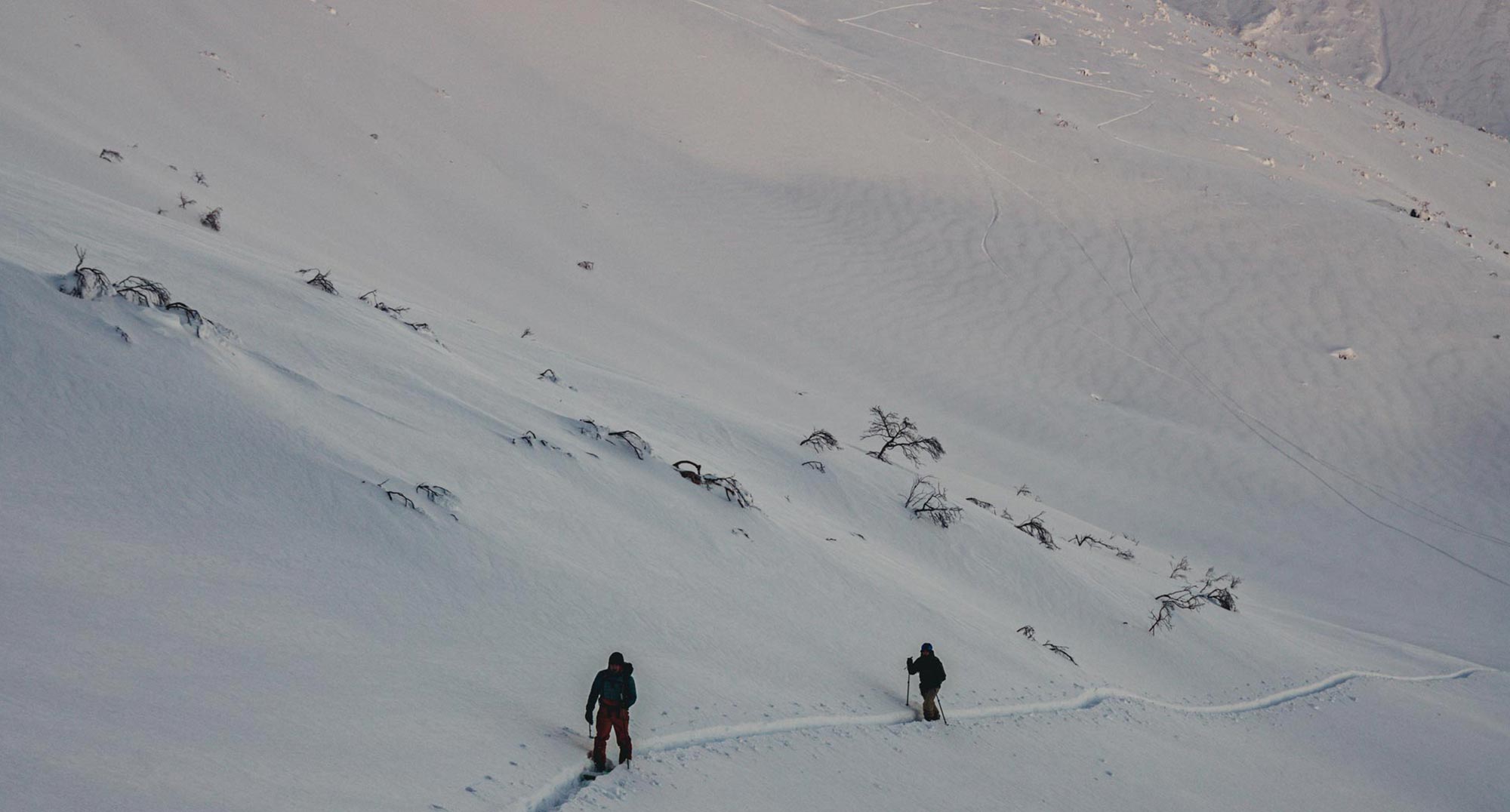
We shot straight North since the snow levels weren’t great in January. We ended up spending most of our time in Hokkaido. We had a little camper van and were just splitboarding out of it. Most mountains in Japan are volcanoes, surrounded by sulphuric hot springs. Sitting in the steaming onsens after a day of riding pow makes it pretty easy to enjoy, but I also couldn’t help wonder if my ancestors had ever traveled this far north, to these mountains.
P: Colin Arisman
Not being from Japan, did you have some locals help show you the north island backcountry?
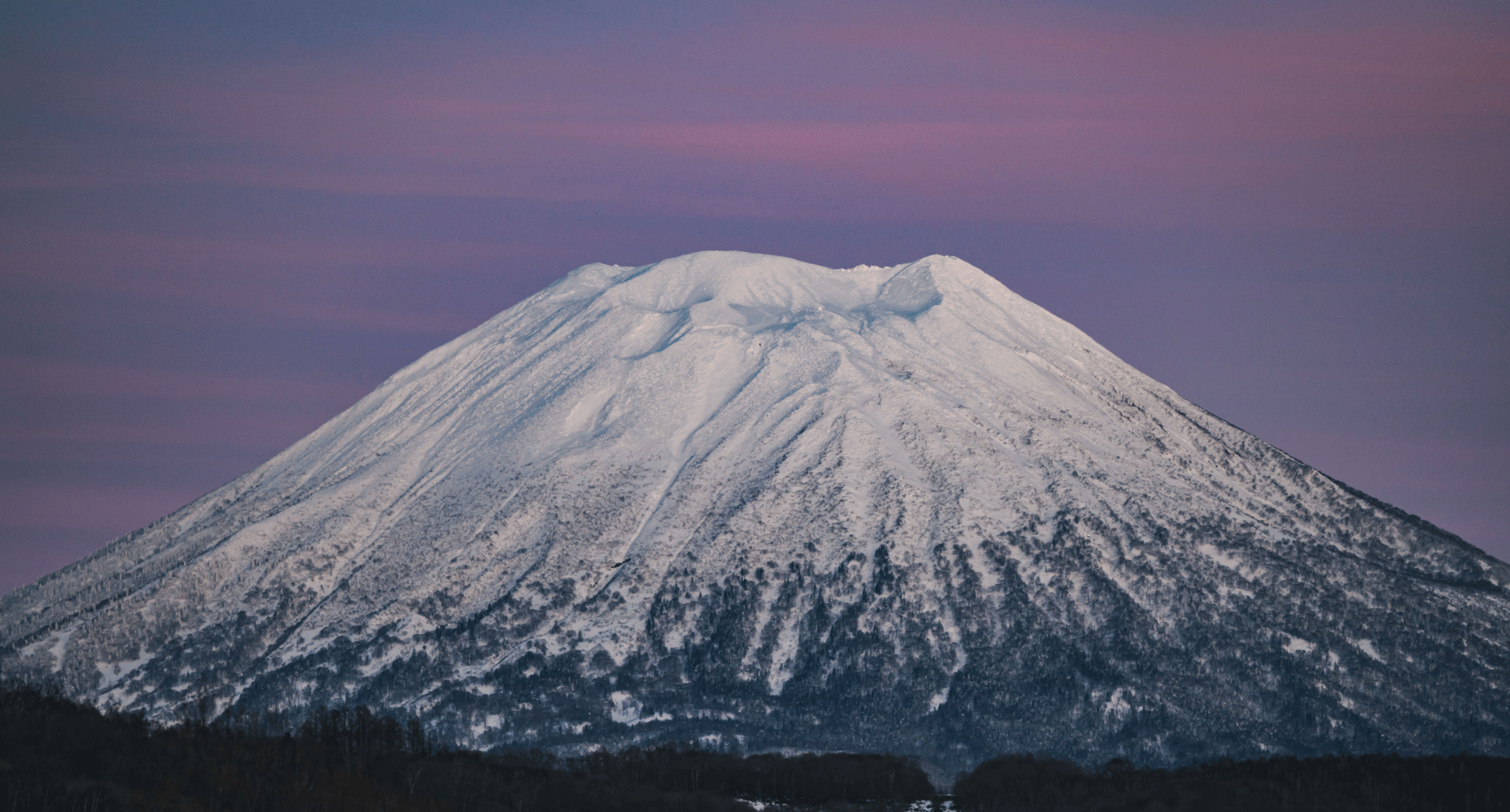
Yeah, we were super fortunate to meet up with the Niseko DownChill crew. They were awesome and gave us insights into the culture of Hokkaido snowboarding. From its laid back vibes, to carving style and general stoke, it was wicked to get to shred with that crew for most of January. Our biggest split mission was a tour to the impressive Mt. Yotei, which can be seen in the distance from much of the Niseko area.
Mt. Yotei is a pretty epic mountain and a bit of a splitboard bucket list destination. What was it like to ride it?
It was amazing. I’d wanted to go up it last time I was in Japan but with volcanoes being so exposed you really have to wait for good weather. We had an amazing bluebird day this year and were at the summit by early morning. It was breathtakingly beautiful and the blower hip-deep powder didn’t hurt either.
P: Colin Arisman
After Yotei, what was next on the North Island?
We went up to splitboard in Furanodake, Takashidake, and then we went to visit Ainu friends in Nibutani.
Can you talk about your connection to the Ainu and their relationship to the mountains you just came from?
As our shoot wrapped after a few weeks in the mountains, we began our drive South. We made a detour to visit family friends in the Indigenous village of Nibutani. My grandpa and nana had worked closely with the Ainu in the 1970s to fight a hydroelectric dam on one of the last undammed salmon rivers in Japan. As we’d come to learn, the community had lost the fight and many of their sacred sites were now deep underwater. Many people think Japan is a homogenous country that doesn’t have a dark history of colonization, yet this trip unveiled a very different and complex side of Japan.
It was amazing to connect with the grandkids of my grandpa’s friends, and it was also difficult to hear of the long road to justice the Ainu have faced. Only within the past few years have the Ainu officially been recognized by the state as a distinct people with a history of being marginalized and oppressed by Japan. Because of their respect for my grandfather and his support in the ’70s, they shared a powerful Ainu dance with us. It was intense and performed out in the snow in -20 (Celsius) conditions. The dance honored Ainu gods and was performed in traditional regalia with old swords. To the Ainu, gods are the animals they share their territory with. As we left the community and parted ways, I was grateful for the hospitality, the stories, and the ongoing work of the Ainu activists within the community, fighting to keep their traditions, their distinct history, and their stories alive
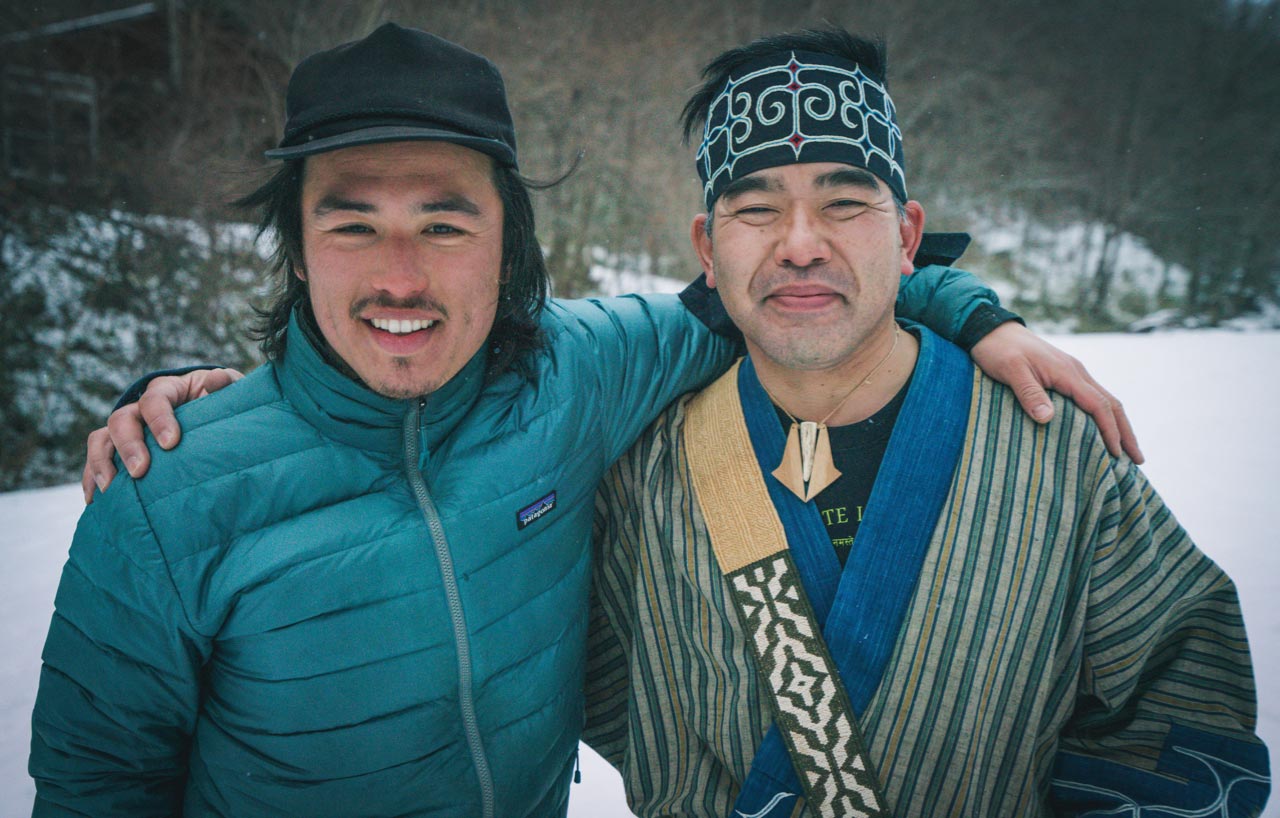
Tamo with Taichi from the Ainu Nation. P: Alastair Spriggs
You were able to squeeze in a little more splitting on the big island in the Japanese Alps. Who did you tour with and how was the riding? Good backcountry terrain?
Yeah, the Hakuba and Nigata area is amazing. The mountains are steep and the terrain is all time. Unfortunately, when we were there they didn’t have the base or fresh snow to really get wild but we were certainly salivating over some of the lines! Hopefully, I can make it back there again. We were riding with Alastair Spriggs a good friend from back home, Colin Arisman, a friend from Montana, and Takumi Nagai who is from the area. Takumi is a backcountry mountain guide, splitboard extraordinaire, climate activist, and local politician. Not a bad guide to the area!
Traveling and stepping out of your comfort zone is a good thing, but it comes with logistical and sometimes translation challenges. Did you have any difficulties or funny missed translations?
We did pretty well with travel and translation. It's fun to figure things out as you go. Using a translation app can help but it is not foolproof either as evidenced when I accidentally ordered a beer for breakfast.
Did you drink it?
Haha, of course!
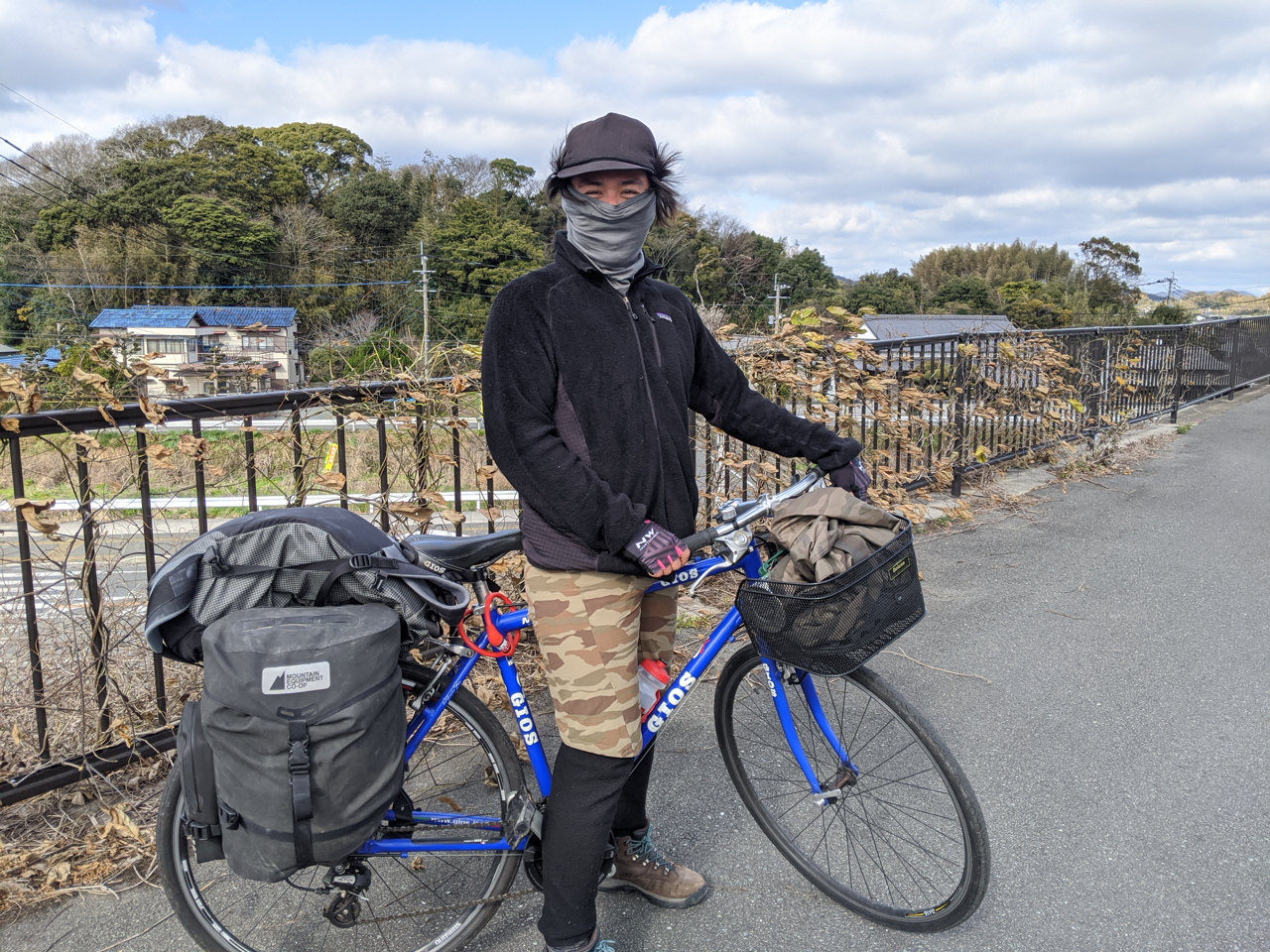
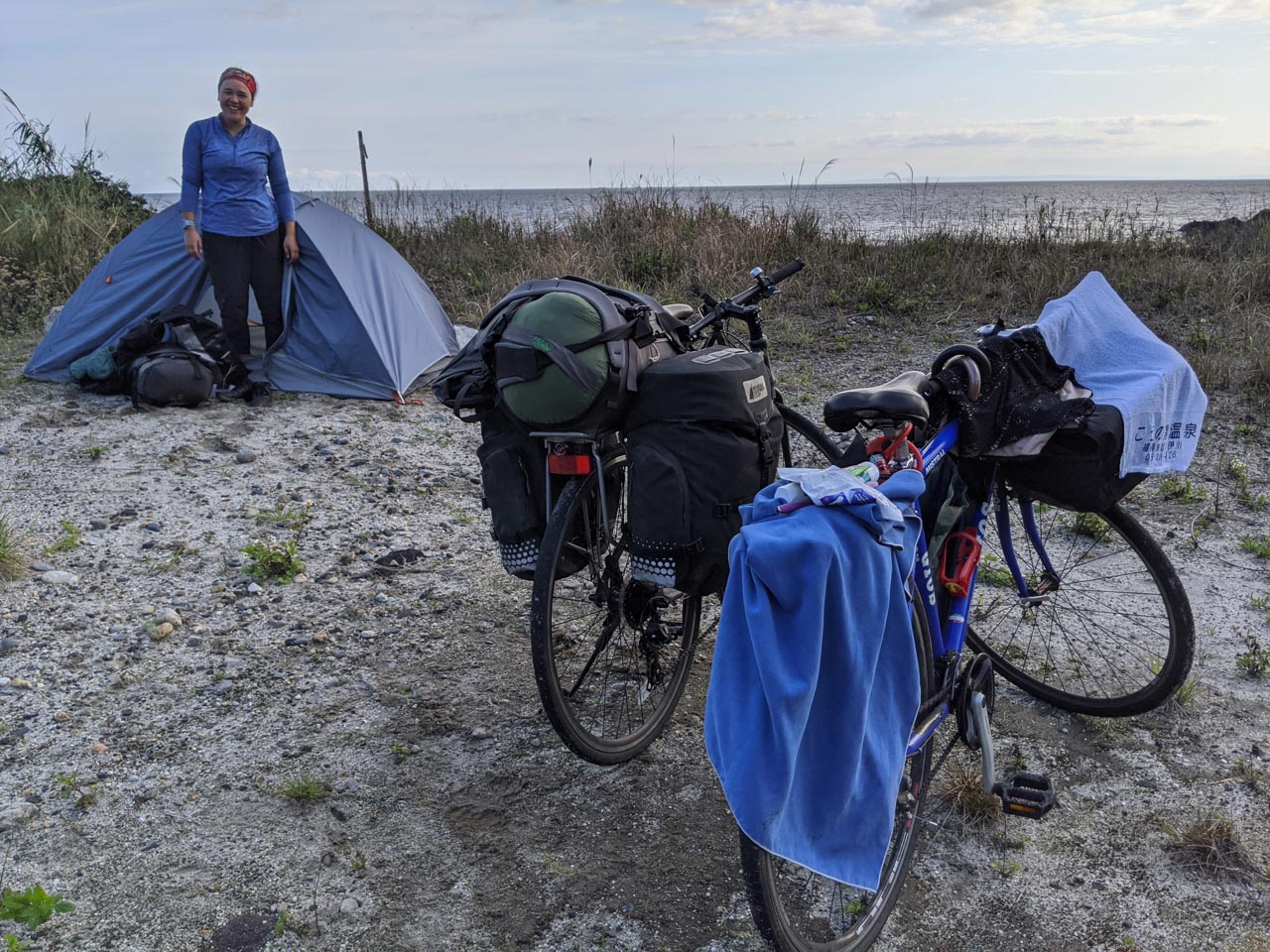
After the riding was done you had a bit of adventure with your sister, correct? What was the initial plan, and what ended up happening because of COVID?
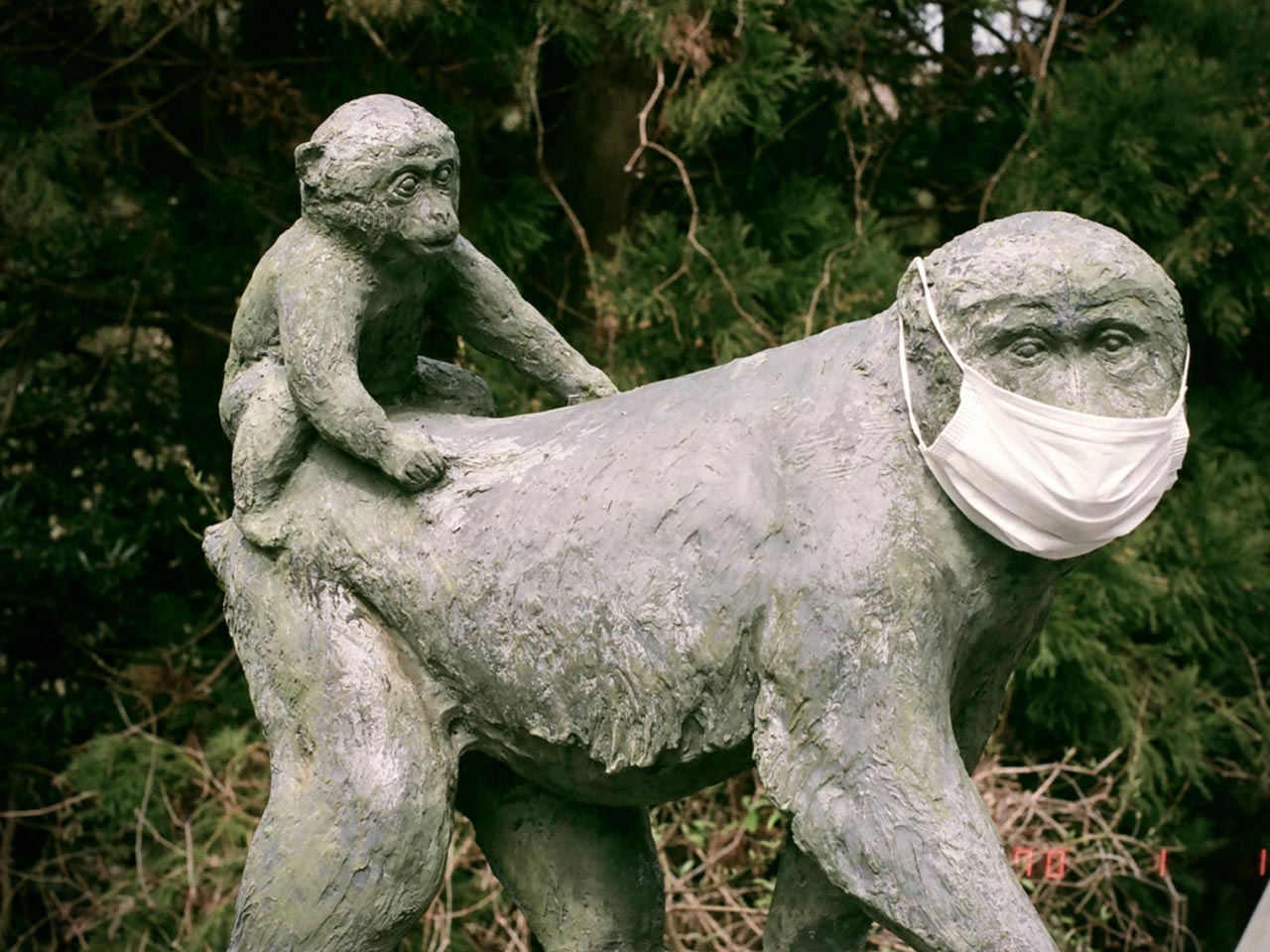
Yeah, the initial plan was to bike pack across Japan with my sister over four months but it turned into a six and a half month adventure with COVID restrictions and our flights being canceled home. We met some amazing people along the way during our bike-packing and extended stay. One village we visited, upon learning we worked with children, put us in charge of all the kids for two weeks!
Any words of advice for someone planning a split mission to Japan?
I think this advice goes for anyone traveling. It’s just so important to get a grasp of the local language before heading out. It allows for a more intimate connection to people and cultural experiences. Also thinking about how we can have reciprocal relationships to the mountains we go snowboarding in. Whether that’s in Japan or back home. We take all our fun from the mountains but what does that make us if we’re not giving back.
Where can people find the video that you guys produced?
Here’s a link for the United States. The film is 12 minutes long--> https://youtu.be/Z8-kQNXuP9c
If you’re in Canada you can stream it on CBC GEM;
https://bit.ly/2FHhYpU
How can people follow you and your work?
You can follow our work at www.beyondboarding.org or on the gram at @beyondboarding.
Thanks!
CBC Documentary

 Read more +25 September 2025 in Older Spark Blogs, Team Spark